Guides
EDT, EDP and Extrait — what the words on the bottle mean
The three letters on a bottle tell you how much perfume oil is dissolved in the alcohol, and nothing else. A higher concentration usually lasts longer and sits closer to the skin; it does not make a fragrance better, and it does not always make it the right one to buy.
The three you will actually see
There is no international body enforcing these terms, so the ranges below are conventions rather than rules — but they hold across nearly every house we carry.
- Eau de Toilette (EDT): roughly 5–15% perfume oil. Brighter, sharper on the opening, typically three to five hours on skin.
- Eau de Parfum (EDP): roughly 15–20%. The most common concentration today. Rounder, slower to develop, typically five to eight hours.
- Extrait de Parfum (often just Parfum or Elixir): 20% and up. Dense and close to the skin, and the longest-lasting — but frequently quieter than an EDP, not louder.
Higher is not automatically better
A house does not make the EDT by watering down the EDP. In most cases they are different formulas: the EDT of a fragrance is often built with more citrus and more air in the opening, and it can be the more wearable of the two in daylight.
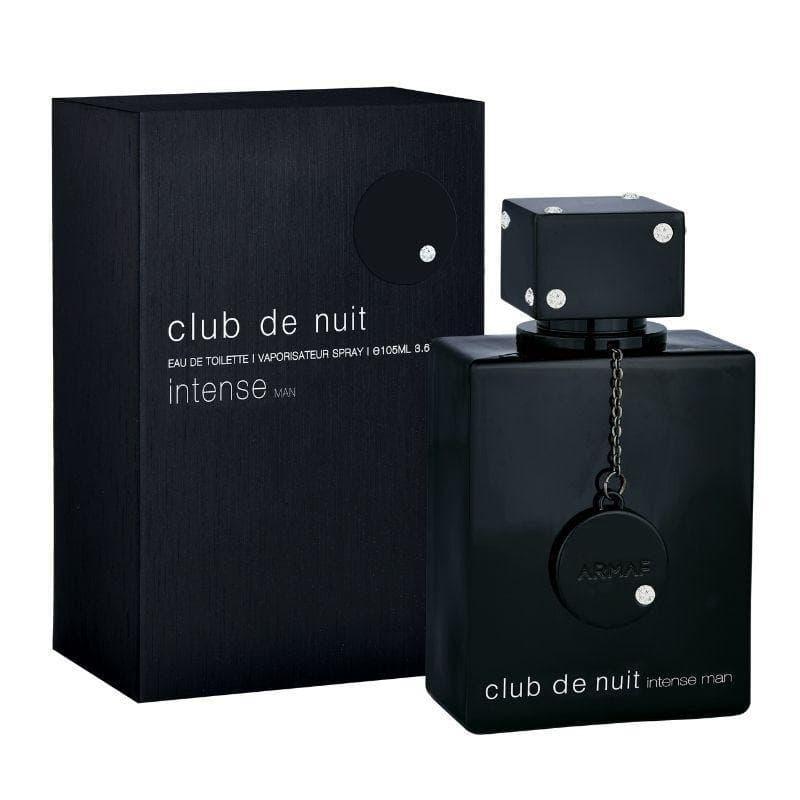
Club de Nuit Intense Man is the standing example — an Eau de Toilette that outlasts and out-projects plenty of Eau de Parfums, because the formula, not the label, is what does the work.
Which one to buy
Pick by the occasion rather than by the number:
- Work, daylight, summer, an office where people sit close together: EDT, or an EDP applied lightly.
- Evenings, cooler months, a wedding: EDP.
- When you want something that stays on a jacket for two days and is noticed only by people standing near you: Extrait.
Where the price comes from
More oil costs more to make, so an Extrait of the same fragrance is usually the most expensive of the three — but the gap is rarely proportional to the concentration, because the raw materials, the bottle and the house’s own positioning all sit in the price.
The practical measure is cost per wear: a stronger concentration needs fewer sprays, so a dearer bottle can work out cheaper over a year.
What that looks like on our shelf
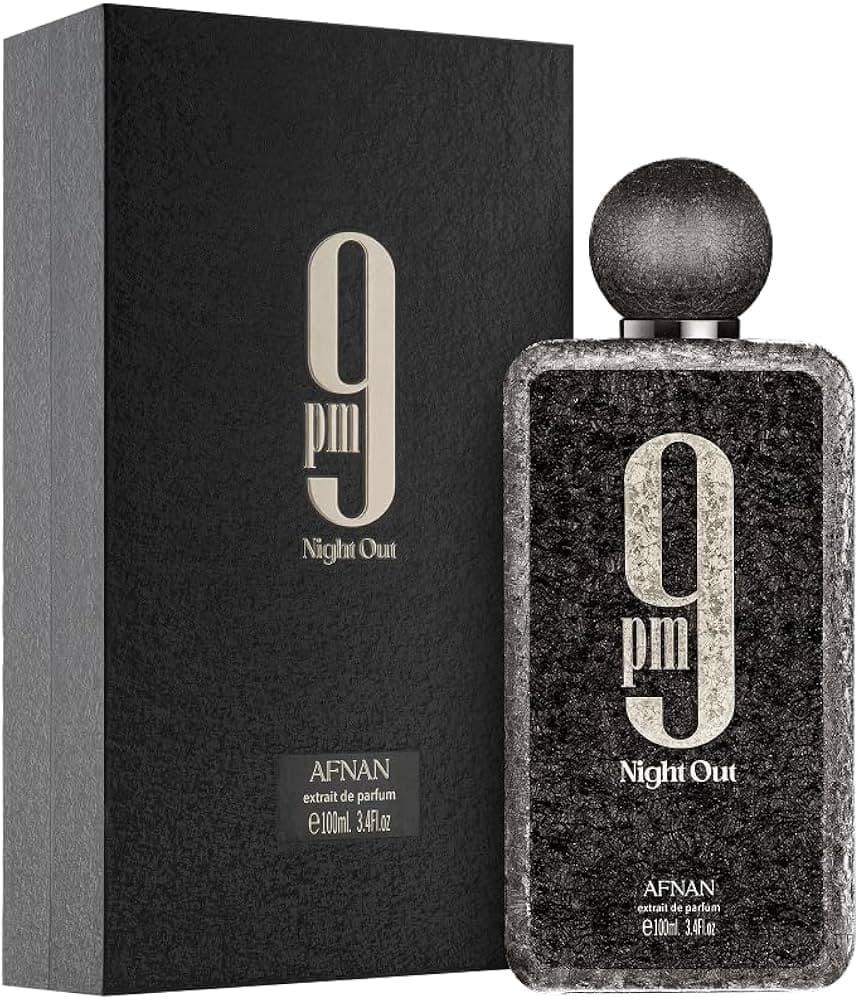
One of each, so you can hear the difference rather than read about it. Every product page on this site lists its concentration under the name.